
Sub-Total: $0.00


Table of Contents
In busy industrial settings, every minute spent on manual tasks is a minute lost for production. Moving waste and scrap materials by hand isn’t just slow—it’s a major cause of floor congestion, higher labor costs, and avoidable safety risks. Self-dumping forklift hoppers fix this by turning a difficult job into a quick, one-person task. These tools work with your current forklifts to help you manage material handling protocols without the usual headaches.
Making Your Floor More Productive
Adding self-dumping hoppers to your workflow gives you a direct boost in speed. Old-school waste disposal often takes several steps and keeps workers away from their main jobs. With a self-dumping hopper, emptying scrap is fast. You collect materials in the hopper, move them with the forklift, and dump them directly into a larger bin or collection point. This keeps your floor clear and makes sure debris doesn’t pile up.
Facilities using these hoppers often see a real drop in the time spent on trash and scrap runs. This means faster work cycles and fewer stops during a shift, so your team can stay focused on the work that actually makes money. The benefits are simple:
- Fewer disposal runs: Moving more at once saves time and fuel.
- Faster cleanup: Debris is gathered and moved out of the way quickly.
- Less downtime: You don’t have to wait for manual crews to clear the floor.
Better Safety with Automatic Dumping
Safety is a top priority, and self-dumping hoppers help you protect your team. Moving waste by hand is one of the biggest causes of back strains and other injuries. These hoppers take the physical effort out of the process. Because the dumping is automated, workers don’t need to be anywhere near the load when it’s being emptied.
The main safety feature is the tilt mechanism. Once the forklift lifts the hopper, it’s designed to tilt forward, dump the load, and lock back into place on its own. This keeps your operators at a safe distance and prevents accidents caused by heavy lifting or awkward reaching. For forklifts that don’t have a tilting mast, powered self-dumping hoppers use their own actuators to dump, so they work reliably with any equipment you have.

Built for Every Industry
Heavy-duty hoppers are used in almost every type of industrial setting because they’re tough and easy to use. Whether you’re moving metal scrap or warehouse trash, they get the job done. Common uses include:
- Machine Shops: Collecting metal shavings, off-cuts, and rejected parts.
- Job Sites: Moving wood, concrete, and scrap metal during construction.
- Warehouses: Clearing out cardboard, plastic, and damaged items.
- Salvage Yards: Managing metal parts and scrap for recycling.
- Food Plants: Keeping floors clean by moving organic waste quickly.
- Hazardous Materials: Providing a safe way to move and dump sensitive waste.
Because these hoppers can handle so many different jobs, they pay for themselves quickly. They’re built to take a beating, especially our self-dumping hoppers for scrap metal, which are made to handle abrasive materials day after day.
Quality Design and Long-Lasting Durability
When you’re picking a hopper, how it’s built matters. As a leading provider in the material handling industry, we emphasize these critical aspects in our product offerings. Our hoppers are constructed from high-quality steel, ensuring they stay strong even under heavy daily use. We’ve optimized the wall angles and opening sizes to make sure materials slide out easily without getting stuck.
Our hoppers are also powder-coated to prevent rust and wear, so they last longer in tough environments. This attention to detail in manufacturing ensures that our products, whether a standard dump hopper for forklift or a high-capacity 6000-lb capacity hopper, always work when you need them. With our experience in the industry, you’re getting a tool that’s built to handle real-world warehouse work.
Conclusion
Self-dumping forklift hoppers are a smart way to make your warehouse safer and more efficient. By taking the manual labor out of waste management, you protect your workers and keep your production lines moving. If you want to clear the clutter and speed up your floor operations, investing in high-quality hoppers is a move that pays off shift after shift.
Related Products
-

1 Yard Dump Hopper for Forklift – 6,000 LB. Capacity – USA Made
$1,215.00 -
1/2 Ton, Freestanding Bridge Crane System & Support Kit
Price range: $12,133.56 through $27,052.21 -
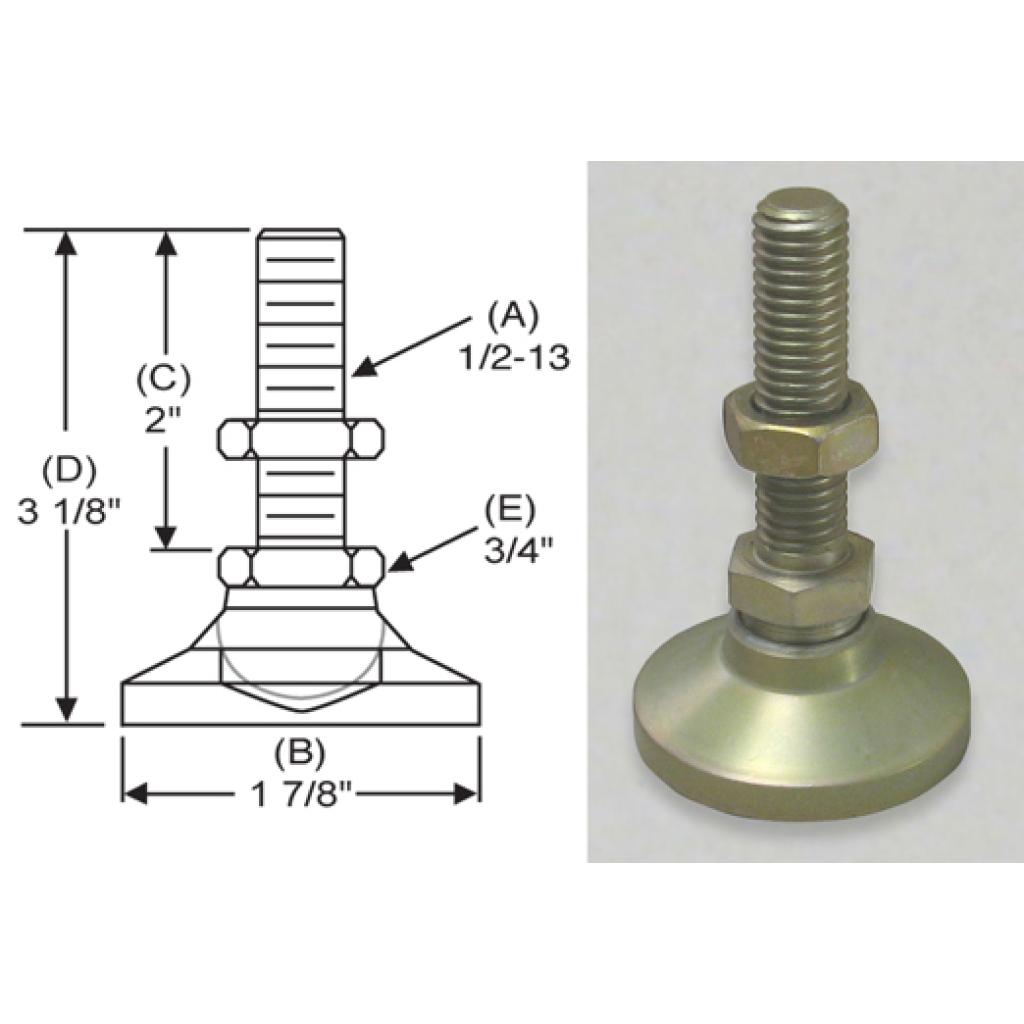
1/2-13 x 2″ Thread Length, 1-7/8″ Base dia., Steel Swivel Base, Cap 5000 lbs.
$12.78 -
1/2-13 x 2″ Tread Length, 2.80″ Base dia., Nylon Base, Steel Leveling Mount, Cap 500 lbs.
$4.84



Related Post

Pallet Flow vs. Push-Back vs. Drive-In: Which Storage System Is Worth the Cost?
Most warehouses don’t run out of space all at once. They lose it to aisles sized for forklift access, and…

When Phenolic Caster Wheels Outperform Polyurethane and When They Don’t
Choosing a caster wheel isn’t simply about finding the toughest option. The right wheel depends on what the equipment carries,…

The Equipment Behind the American Workforce
Automation is changing warehouse work. It is not making the people doing it any less essential. This Labor Day, it…

Why Kingpinless Swivel Casters Last Longer in High-Impact Industrial Applications
Anyone who’s run a warehouse floor for more than a few months has a caster horror story. A wheel starts…

Six Material-Handling Fixes Worth Making Before Q4 Volume Hits
Demand is building from more than one direction this year. Steel Dynamics reported its fabrication backlog running nearly 45% higher…

The Hidden Productivity Cost of Using the Wrong Lift Table in Material Handling Operations
Walk into almost any warehouse, distribution centre, or production line and you’ll spot a scissor lift table quietly doing its…

Single-Sided vs. Double-Sided Cantilever Racks: Which Configuration Actually Fits Your Warehouse
Most warehouses don’t run into trouble because of a bad rack. They run into trouble because someone picked the wrong…

Why Material Flow Will Define the Next Generation of American Manufacturing
American manufacturing is gaining momentum as more companies invest in domestic production and modernize their operations. While automation, robotics, and…

Ceiling-Mounted Bridge Cranes vs. Gantry Cranes: Choosing the Right Lifting Solution
If you’ve been tasked with improving material flow in your facility, chances are you’ve already searched “bridge crane vs gantry…

A Warehouse Mezzanine Might Be the Best Investment You Haven’t Made Yet
If you’ve ever walked through your warehouse and thought, “We’re running out of room but moving to a bigger facility…